Table of Contents
- Introduction
- Understanding Securedoc and Its Login Requirements
- The Role of HTML in User Authentication
- Designing an Efficient Login Page with HTML
- Enhancing User Experience with Img2html Tools
- Implementing Secure Login Protocols
- Responsive Design for Accessibility
- Automating the Login Page Creation with Img2html
- Real-world Examples and Testimonials
- Integrating API for Seamless Workflow
- Testing and Optimizing Performance Metrics
- Future Trends in HTML Login Systems
- Conclusion
- Call to Action
Introduction
Ever felt overwhelmed trying to build a secure login page? You're not alone! In today's digital world, finding tools to make your life easier is crucial. That's where Securedoc comes in - a platform that uses AI to help you create login pages with just a photo. Imagine snapping a pic of your login design and getting detailed code instantly. Sounds pretty cool, right? In this article, we'll show you how to get the most out of Securedoc and improve your login pages using HTML and some nifty AI tricks.
Understanding Securedoc and Its Login Requirements
So what's the deal with Securedoc? It's not just another file sharing site - think of it more like Fort Knox for your digital stuff. The login page is like the main gate, so getting it right is super important.
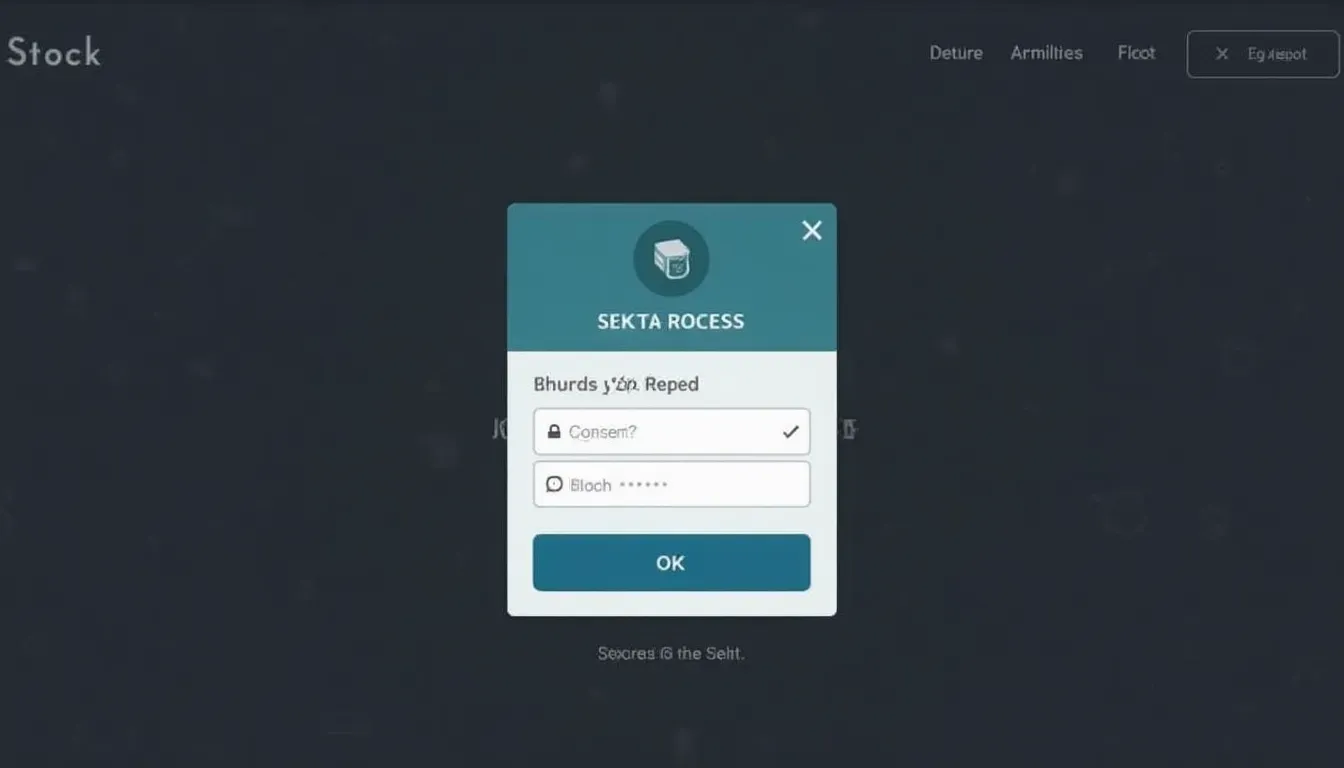
What makes a login page great? It needs to be:
- Secure (duh)
- Easy to use
- Work on all devices
- Look good
HTML is the unsung hero that makes all this possible. But let's be real, coding can be a pain sometimes. That's where Securedoc's AI comes in handy, turning your designs into working code like magic. You can try this feature yourself at Img2html .
The Role of HTML in User Authentication
HTML is the backbone of the web. It structures content so browsers can make sense of it. For logins, HTML does a few key things:
- Creates forms for usernames and passwords
- Organizes everything so it looks nice
- Makes sure everyone can use it, even folks with disabilities
But HTML can't do it all alone. It needs CSS to make things pretty and JavaScript to make things work.
Designing an Efficient Login Page with HTML
Making a good login page is like a firm handshake - it needs to be strong, welcoming, and quick. Let's break it down:
The Best Image to HTML Code AI
Picture this: you've got an awesome design for your login page. Converting that to code by hand would take forever. But with Securedoc's AI, you can turn that design into real HTML and CSS in seconds. No more messing around with code for hours!
I remember the first time I used something like this. I had this crazy complex design for a client, and I thought it'd take days to code. With AI help, it took minutes. The client was over the moon!
User-Friendly Interface Elements
User experience is key, especially for logins. Here's what you need:
- Clear username and password fields
- Big, easy-to-click buttons
- Helpful error messages (not techy gibberish)
- "Remember me" option
- Easy way to reset passwords
Securedoc's AI makes sure everything's spaced right and looks good on all screens.
Enhancing User Experience with Img2html Tools
It's not just about looking good - it's about feeling good to use too. Securedoc has some cool tools to help with that.
Convert Any Image to HTML & CSS
Ever wished you could just take a picture of your perfect login page and turn it into code? Well, now you can! Securedoc's AI does exactly that.

Tailwind CSS Integration
Tailwind CSS is like the secret sauce for making things look good fast. Securedoc plays nice with Tailwind, so your login page will look slick on phones, tablets, computers - you name it.
Implementing Secure Login Protocols
Security is a big deal, especially when you're handling sensitive docs. Here's how to lock down your login page:
Importance of Security in HTML Forms
Your login form is like the bouncer at a club - it needs to keep the bad guys out. A weak form is like leaving the back door open.
Best Practices for Secure Logins
- Use HTTPS (it's like a secret code for your data)
- Check what users type in (both in the browser and on your server)
- Make people use strong passwords
- Use CAPTCHA (those annoying "prove you're not a robot" things)
- Add extra steps to log in (like texting a code to your phone)
Do all this, and your users will feel safe using your site.
Responsive Design for Accessibility
These days, people use all kinds of devices. Your login page needs to work on all of them.
Cross-Platform Compatibility
Different screens, different sizes - your page needs to look good on all of them. Securedoc helps make that happen.
Quick Conversion with AI Support
Time is money, right? Securedoc's AI helps you make responsive designs super fast, so you can focus on the cool features instead of fixing layout bugs.

Automating the Login Page Creation with Img2html
Automation is the future, and it's making web dev way easier.
100% Automatic Conversion
Coding by hand can take forever and you might make mistakes. Securedoc does it all automatically, turning your designs into working code in no time.
Comprehensive Tech Stack Support
Need to use React? Vue? Angular? Securedoc's got your back. It works with all the popular tech, so you don't have to worry about things not playing nice together.

Real-world Examples and Testimonials
Don't just take my word for it - here's what real people are saying:
Alexander
A teacher, loves how he can turn pictures into interactive learning materials.
Martin
A developer, thinks it's great for small pages and loves the Tailwind support.
Jane
A freelancer, says it's super accurate and helps her get more work done.

Integrating API for Seamless Workflow
For the tech-savvy folks, Securedoc's API is where it's at.
Automatic Conversion Processes
The API lets you automate everything, which is awesome for big projects.
Streamlining Development with API Access
By plugging the API into your workflow, your team can focus on the cool stuff and let the AI handle the boring bits.
Testing and Optimizing Performance Metrics
Making a login page is one thing - making sure it works well is another.
Ensuring Fast Load Times
Nobody likes slow websites. Here's how to speed things up:
- Shrink your images
- Cut out unnecessary code
- Use browser caching
- Use a CDN (it's like having your website in multiple places at once)
Securedoc's code is already pretty optimized, so that helps a lot.
Achieving High User Satisfaction
Happy users = successful website. Keep an eye on how people are using your site and make it better based on what they say.
Future Trends in HTML Login Systems
The web is always changing. Here's what's coming next:
- Logging in with your fingerprint or face
- Login systems that work like apps
- AI that personalizes the login experience
- Logging in once for multiple sites
Stay ahead of the game by keeping an eye on these trends.

Conclusion
Making a good login page for Securedoc isn't easy, but with the right tools, it can be. HTML is the foundation, but Securedoc's AI tools take it to the next level. You get a secure, user-friendly page that works on all devices, and you don't have to spend days coding it.
Call to Action
Ready to make your login pages awesome? Give Securedoc a shot - it's free to try! Whether you're a coding pro or just getting started, it's got something for everyone. Your users (and your sanity) will thank you!
Check out Securedoc and see the magic for yourself!
Related Articles
- How to Convert Images to HTML and CSS Code Using AI Tools - Expands on automating image to code transformations with AI.
- Boost Your Workflow Using Img2html API for Automated Conversions - Discusses integrating APIs for streamlined web development.
- Top 10 Tools for Converting Images to Responsive HTML and CSS Code - Compares various tools for image to code conversion, enhancing responsive designs.