Understanding the Legal Implications of AI-Generated Images
Introduction to AI Image Generators
AI image generators have revolutionized the way we create visual content. By leveraging advanced algorithms and vast datasets, these tools can produce stunning images based on simple prompts. However, with great power comes great responsibility, and one of the pressing questions surrounding this technology is its legality.
Understanding Copyright Laws
Copyright law is designed to protect original works of authorship. When it comes to AI-generated images, the question arises: Who holds the copyright? Is it the creator of the AI, the user who inputs the prompts, or does the image fall into the public domain?
- Ownership of AI-generated content is still a gray area in many jurisdictions.
- Some countries require a human author for copyright protection.
- AI as a tool may be akin to a camera or paintbrush, with the user holding the copyright.

Fair Use and AI-Generated Images
Fair use is a doctrine that allows limited use of copyrighted material without requiring permission from the rights holders. When AI generates images, it often draws from existing works, raising concerns about fair use.
- Transformative use: If the AI-generated image significantly transforms the original, it may qualify as fair use.
- Commercial vs. non-commercial use: Non-commercial use is more likely to be considered fair use.
- Amount and substantiality: Using smaller, less significant parts of original works favors fair use.

Case Studies: Legal Precedents Involving AI
Several legal cases have begun to shape the landscape of AI-generated content. These cases help clarify the boundaries and responsibilities of creators and users.
| Case | Details | Outcome |
|---|---|---|
| Author v. AI Corp | Dispute over copyright ownership of AI-generated artwork. | Court ruled in favor of the user as the primary creator. |
| Designer v. Tech Innovators | Allegation of AI copying proprietary design elements. | Settlement reached with Tech Innovators agreeing to modify algorithms. |
Global Perspectives on AI Image Generation Legality
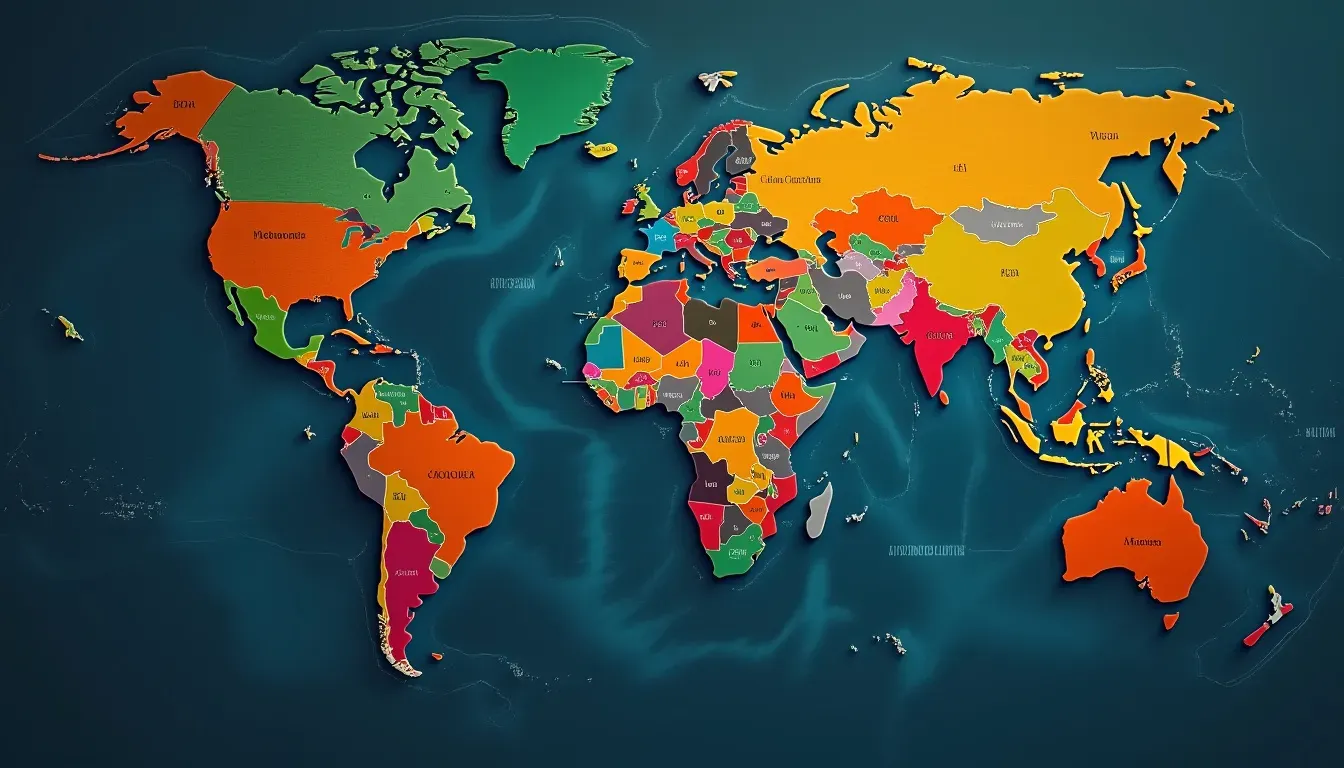
Different countries have varying laws and regulations regarding AI-generated content. Understanding these differences is crucial for international content creators.
| Country | Legal Stance |
|---|---|
| United States | Copyright protection requires human authorship. |
| European Union | Emphasizes ethical AI use with pending regulations. |
| China | Strict control over AI-generated content with licensing requirements. |
Ethical Considerations
Beyond legality, ethical considerations play a significant role in the use of AI image generators. Respecting original creators and avoiding harmful content are paramount.
- Attribution: Giving credit to original sources when AI uses existing works.
- Avoiding Deepfakes: Preventing misuse of AI to create misleading or harmful images.
- Inclusivity: Ensuring AI-generated content does not perpetuate biases or stereotypes.

Future of AI Image Generation and Legislation
As AI technology continues to evolve, so will the legal frameworks surrounding it. Anticipating future changes can help creators navigate the complex landscape of AI-generated content.
Legislators are considering various approaches, including clearer definitions of authorship, stricter guidelines on data usage, and robust frameworks to handle disputes arising from AI-generated works.
Conclusion
The legality of AI image generators is a multifaceted issue that encompasses copyright laws, ethical considerations, and global regulations. While AI offers incredible potential for creativity and efficiency, it is essential to navigate its use responsibly to respect existing laws and uphold ethical standards.
As the legal landscape continues to evolve, staying informed and proactive is crucial for anyone involved in creating or utilizing AI-generated images.
Watch More on This Topic
Explore AI Image Tools
You can try this feature yourself at img2html.com .
See how this works at img2html.com .
Related Articles
- How to Use Img2HTML - A guide on utilizing Img2HTML for converting images to HTML and CSS.
- Image to HTML: Transforming Images into Code - Exploring the process of converting images into functional code.
- Top 10 Tools for Converting Images to Responsive HTML and CSS Code - A review of the best tools available for image to code conversion.